



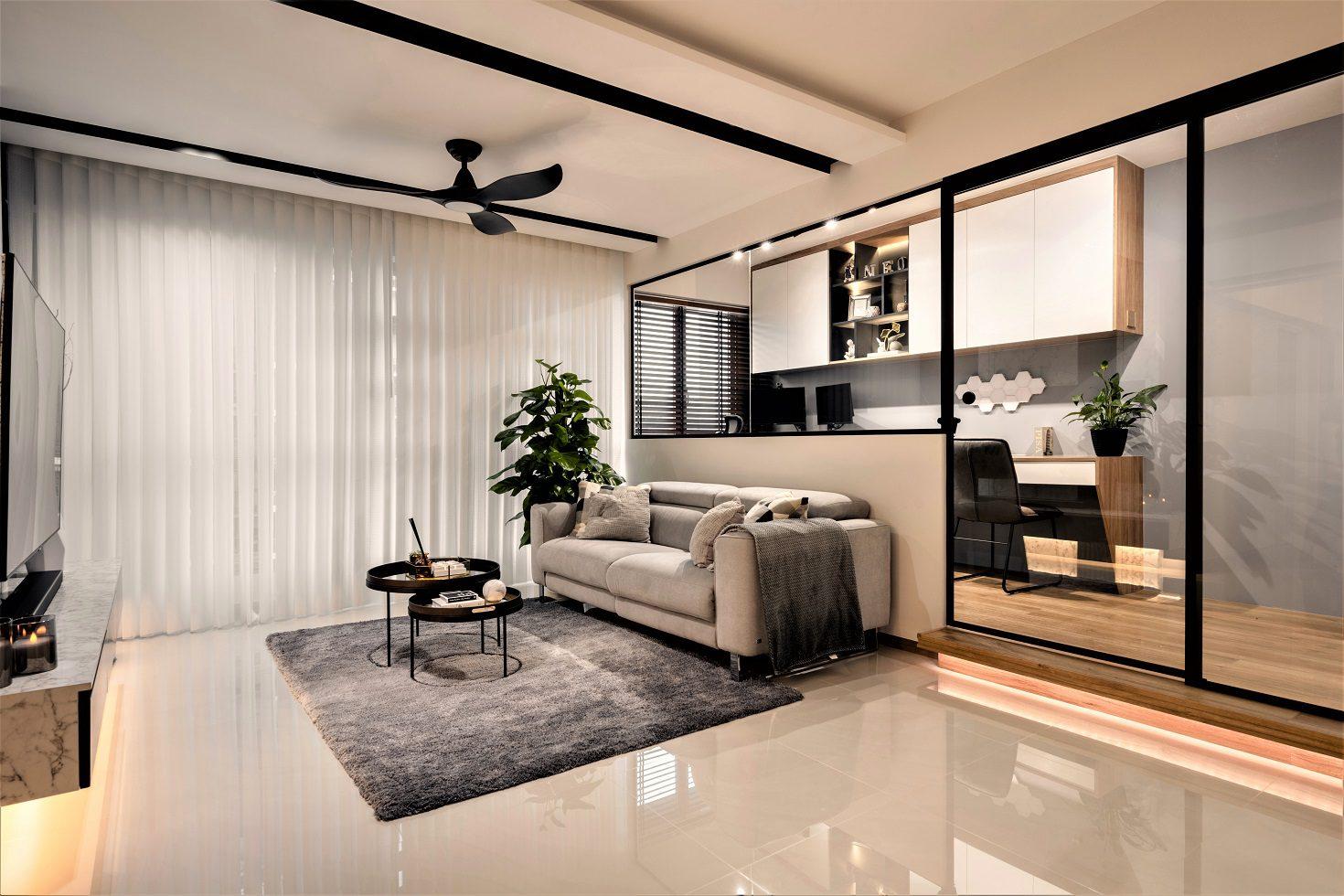
Small Spaces, Considered Living: Layout Ideas for HDB Homes
 Apr 30, 2026
In compact homes, space is often seen as a limitation. In reality, it is an opportunity for clarity.
Designing an HDB home is not about fitting more in, but about understanding how each element contributes to the whole — how space flows, how it feels, and how it supports daily living.
Defining Space Without Walls
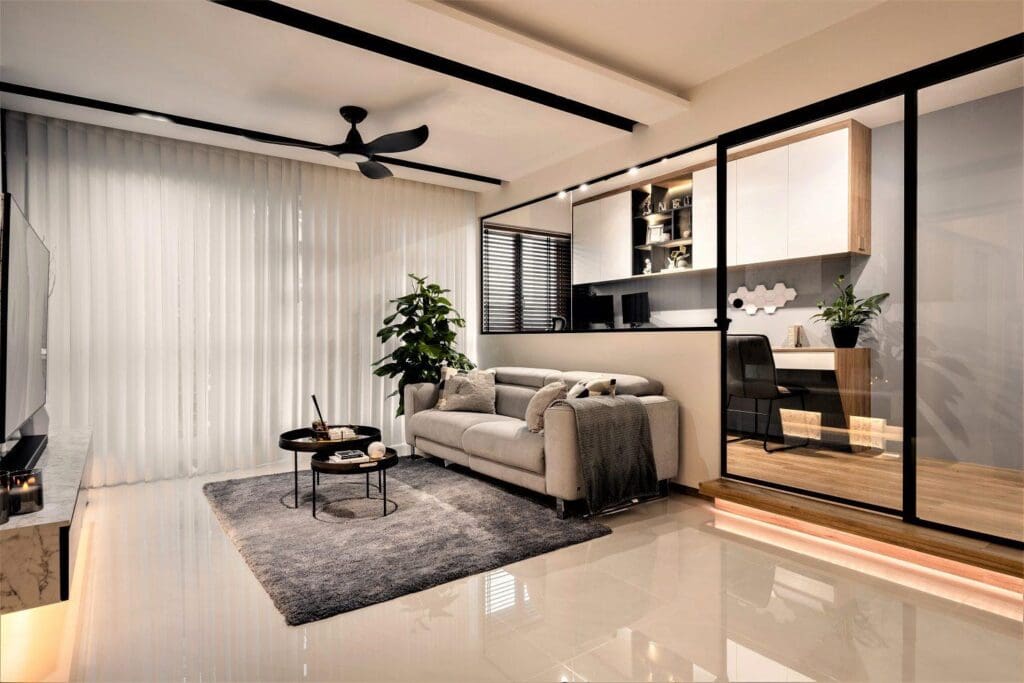
In smaller layouts, separation does not require physical barriers.
A sofa can gently delineate the living area. A dining table anchors a transition point. Rugs and lighting further define zones, creating a sense of structure without disrupting openness.
This approach maintains visual continuity while allowing each function to exist with purpose.
Choosing Pieces That Do More
Functionality is essential, but it need not compromise aesthetics.
Well-designed furniture often serves multiple roles — a console that offers storage, a coffee table with presence and utility, seating that balances comfort with proportion.
The key lies not in complexity, but in clarity. Pieces should simplify the space, not add to its visual weight.
Maintaining Visual Flow
A considered layout prioritises movement — both physical and visual.
Lower-profile furniture allows sightlines to remain open. Materials such as glass, metal, or light-toned wood reduce visual density. Negative space becomes just as important as occupied space.
Together, these choices create an environment that feels calm, rather than constrained.
Lighting as Spatial Design
Lighting plays a crucial role in shaping how a small home is experienced.
Ambient lighting establishes warmth. Task lighting introduces focus. Accent lighting adds depth and dimension.
When layered thoughtfully, light expands the perception of space, guiding attention and enhancing atmosphere.
Living Well in Less Space
A well-designed HDB home is not defined by its size, but by its intention.
By selecting pieces with care, defining space with subtlety, and prioritising flow over fullness, even the most compact interior can feel open, balanced, and refined.
In the end, considered living is not about having more space — but about making space work beautifully.
